Students Resources
Navigating the vast array of resources available can be overwhelming for individuals seeking academic success. This comprehensive guide aims to provide an overview of the essential educational tools needed to succeed academically, financially, and personally.
From online learning platforms to mental health support, we’ll cover it all in a friendly and approachable manner. The right student resources can make a significant difference in achieving academic goals.
Key Takeaways
- Access to online learning platforms for enhanced education
- Mental health support for overall well-being
- Financial aid resources for managing expenses
- Academic advising for guidance on course selection
- Career counseling for future planning
Essential Academic Resources for Student Success
The journey to academic success is significantly smoother with the right academic resources. Students today have access to a wide array of tools and platforms that can enhance their learning experience.
Online Learning Platforms
Online learning platforms have revolutionized the way students access education. These platforms offer flexibility and a wide range of courses.
Free Educational Websites
Websites like Coursera, edX, and Khan Academy provide free access to high-quality educational content. They offer courses from top universities worldwide.
Subscription-Based Learning Services
Services such as LinkedIn Learning (formerly Lynda.com) and Udemy offer specialized courses for a fee, providing in-depth knowledge in specific areas.
Digital Libraries and Research Databases
Digital libraries and research databases are indispensable for academic research. They provide access to a vast array of academic papers, journals, and books.
- JSTOR
- Google Scholar
- ResearchGate
Open Educational Resources
Open educational resources (OER) like OpenStax offer free and affordable textbooks and educational materials. OER can significantly reduce educational costs for students.
By leveraging these academic resources, students can enhance their learning experience, improve their academic performance, and achieve their educational goals more effectively.
Financial Aid and Scholarship Opportunities
Financial aid and scholarships play a vital role in making higher education accessible to students from diverse backgrounds. With the ever-increasing costs of tuition, understanding the available options is crucial for students to manage their educational expenses effectively.
Federal Student Aid Programs
Federal student aid programs are a primary source of funding for many students. The Free Application for Federal Student Aid (FAFSA) is the gateway to these programs, offering need-based assistance. Students can qualify for grants, loans, and work-study programs that help cover tuition and other educational costs.
Private Scholarship Resources
Private scholarships are another vital resource, offering merit-based and need-based awards. Websites like Fastweb and Scholarships.com provide comprehensive databases of private scholarships that students can apply for. These resources help students find and secure additional funding to support their education.
Grant Opportunities for Undergraduates
Grants are a form of financial aid that does not need to be repaid. Undergraduate students can explore federal grants, such as the Pell Grant, as well as state and institutional grants. Private organizations also offer grants to support undergraduate education.
Financial Aid for Graduate Students
Graduate students can also access various forms of financial aid, including teaching and research assistantships, fellowships, and federal student loans. Some private organizations and professional associations offer scholarships and grants specifically for graduate students.
| Type of Aid | Description | Eligibility |
|---|---|---|
| Federal Grants | Need-based grants that do not need to be repaid. | Undergraduate students who complete the FAFSA. |
| Private Scholarships | Merit-based or need-based awards from private organizations. | Varies by scholarship; often based on merit, need, or specific criteria. |
| Graduate Fellowships | Competitive awards that support graduate study. | Graduate students; often based on academic achievement or research potential. |
Technology Tools for Modern Students
Modern students have access to a wide array of technological tools designed to boost productivity and academic success. These tools are essential in today’s digital age, where staying organized and managing time effectively are crucial for achieving academic goals.
Productivity Apps and Software
Productivity apps and software play a significant role in helping students stay on top of their tasks. Todoist and Evernote are popular choices among students for task management and note-taking.
Note-Taking Applications
Note-taking applications like OneNote and Simplenote make it easy for students to keep track of class notes and study materials. These apps offer features such as tagging, searching, and organization, making study sessions more efficient.
Time Management Tools
Time management is critical for students to balance academic responsibilities with other activities. Tools like RescueTime and Focus@Will help students stay focused and manage their time more effectively.
Affordable Tech Options for Students
Many students face budget constraints when it comes to acquiring technology. Fortunately, there are affordable tech options available, such as Apple’s Education Store, which offers discounted rates on laptops and other devices.
Cloud Storage and Collaboration Platforms
Cloud storage and collaboration platforms are vital for students working on group projects. Services like Google Drive and Microsoft OneDrive provide ample storage and facilitate collaboration among team members.
| Tool | Description | Benefit |
|---|---|---|
| Todoist | Task management app | Helps students stay organized |
| Evernote | Note-taking app | Facilitates note organization |
| Google Drive | Cloud storage service | Enhances collaboration |
Mental Health and Wellness Resources
Maintaining mental health and wellness is crucial for students to achieve academic success and overall well-being. The pressures of academic life, coupled with personal and social challenges, can significantly impact a student’s mental health. Fortunately, numerous resources are available to support students in maintaining their mental wellness.
Campus Counseling Services
Campus counseling services provide a safe and confidential space for students to discuss their concerns with trained professionals. These services often include individual counseling, group therapy sessions, and crisis intervention. Many colleges and universities offer counseling services at no additional cost to students, making it an accessible resource for those in need. For instance, a student struggling with anxiety can seek counseling to develop coping strategies and improve their mental well-being.
Online Mental Health Support
In addition to on-campus resources, online mental health support services have become increasingly popular. Platforms like 7 Cups and BetterMynd offer convenient access to counseling services, allowing students to connect with licensed therapists from the comfort of their own space. This flexibility is particularly beneficial for students with busy schedules or those who prefer the anonymity of online support.
Stress Management Tools
Stress management is a critical aspect of maintaining mental wellness. Tools like Calm and Headspace provide guided meditation and relaxation techniques to help students manage stress and improve their focus. These apps are widely used among students and can be an effective way to reduce anxiety and promote relaxation.
Physical Wellness Resources
Physical wellness is closely linked to mental health, and many institutions offer resources to promote a healthy lifestyle. Gym memberships, fitness classes, and recreational sports programs are just a few examples of the physical wellness resources available to students. Engaging in regular physical activity can help reduce stress, improve mood, and enhance overall well-being.
Career Development and Internship Resources
As students navigate their academic journey, career development becomes a crucial aspect to consider. Effective career development strategies can significantly enhance a student’s employability and prepare them for the workforce.
Job Search Platforms for Students
Job search platforms are invaluable for students looking to explore job opportunities. Websites like LinkedIn and Indeed offer a wide range of job listings and career resources. These platforms allow students to search for internships and entry-level positions tailored to their skills and interests.
Internship Directories
Internship directories provide comprehensive listings of available internships across various industries. Internships.com is a notable example, offering a vast database of internships that students can filter based on their field of study and preferences.
Resume and Interview Preparation Resources
Preparing a strong resume and mastering interview skills are critical for career success. Resources like ResumeGenius and Glassdoor offer tips, templates, and guidance to help students improve their resume and interview performance.
Networking Opportunities for Career Growth
Networking is a powerful tool for career advancement. Career fairs, industry conferences, and professional organizations provide opportunities for students to connect with professionals in their field. Building a network can lead to mentorship, job opportunities, and valuable industry insights.
In conclusion, leveraging these career development and internship resources can significantly enhance a student’s career prospects. By utilizing job search platforms, internship directories, resume preparation tools, and networking opportunities, students can gain a competitive edge in the job market.
Housing and Accommodation Resources
Navigating housing resources is a vital step for students to ensure a comfortable and productive academic experience. With various options available, students can find the perfect fit for their needs.
On-Campus Housing Options
On-campus housing provides a convenient and safe living environment for students. Many universities offer dormitories and residence halls with amenities such as meal plans, study lounges, and recreational facilities. These options allow students to be close to their classes and campus resources, fostering a sense of community and connection.
Off-Campus Housing Resources
For students who prefer to live off-campus, resources like Zillow and Craigslist can help find apartments and houses. These platforms provide a wide range of options, allowing students to filter by price, location, and amenities. Additionally, many websites offer virtual tours and reviews to aid in the decision-making process.
Roommate Finding Services
Finding a compatible roommate can be challenging, but services like Roomster and Roommates.com make it easier. These platforms allow students to create profiles, search for potential roommates, and connect with others who share similar interests and living preferences.
Housing Rights and Responsibilities
Understanding housing rights and responsibilities is crucial for students. Familiarizing oneself with lease agreements, tenant laws, and campus housing policies can help prevent disputes and ensure a smooth living experience. Students should also be aware of their responsibilities as tenants, including paying rent on time and maintaining their living space.
Transportation Resources for Students
Transportation is a crucial aspect of the college experience, impacting students’ daily routines and overall success. With various options available, students can choose the most convenient and cost-effective methods to get around.
Campus Transit Systems
Campus transit systems, including shuttle buses and bike-share programs, provide students with convenient and affordable transportation. Many universities offer shuttle services that connect different parts of the campus, making it easier for students to attend classes and participate in extracurricular activities. Bike-share programs are also gaining popularity, promoting a healthy and environmentally friendly mode of transportation.
Discounted Public Transportation Options
Students can benefit from discounted public transportation options, such as student passes and transit cards. These programs significantly reduce the cost of commuting, making it more affordable for students to travel to and from campus. Many public transportation systems offer special rates for students, so it’s worth exploring these options.
Rideshare and Carpool Programs
Rideshare and carpool programs, such as UberPool and Waze Carpool, offer students a cost-effective and environmentally friendly way to commute. By sharing rides, students can reduce their transportation expenses and lower their carbon footprint.
Bicycle and Alternative Transportation Resources
Bicycle and alternative transportation resources, including bike lanes and electric scooters, promote sustainable transportation. Many campuses are investing in bike-friendly infrastructure, making it safer and more convenient for students to cycle around.
Comprehensive Students Resources Directory
Navigating the world of student resources can be overwhelming, but a comprehensive directory can make all the difference. Students can now access a wide range of resources in one place, simplifying their journey to academic success.
Government-Sponsored Student Resources
The government offers various resources to support students, including the Department of Education’s website, which provides information on federal student aid, scholarships, and grants. These resources help students navigate the financial aspects of higher education. Additionally, government-sponsored resources often include guidance on academic programs and career development.
Non-Profit Organizations Supporting Students
Non-profit organizations, such as the National Scholarship Providers Association, play a crucial role in supporting students. They offer scholarships, mentorship programs, and other forms of assistance to help students achieve their academic goals. These organizations often cater to specific demographics or needs, providing targeted support.
University-Specific Resource Centers
Universities often have resource centers dedicated to supporting students, including academic advising, counseling services, and career development offices. These centers provide tailored assistance to help students succeed in their academic pursuits. By leveraging these resources, students can gain a more personalized and effective support system.
By utilizing this comprehensive directory, students can easily find and access the resources they need to excel academically and personally.
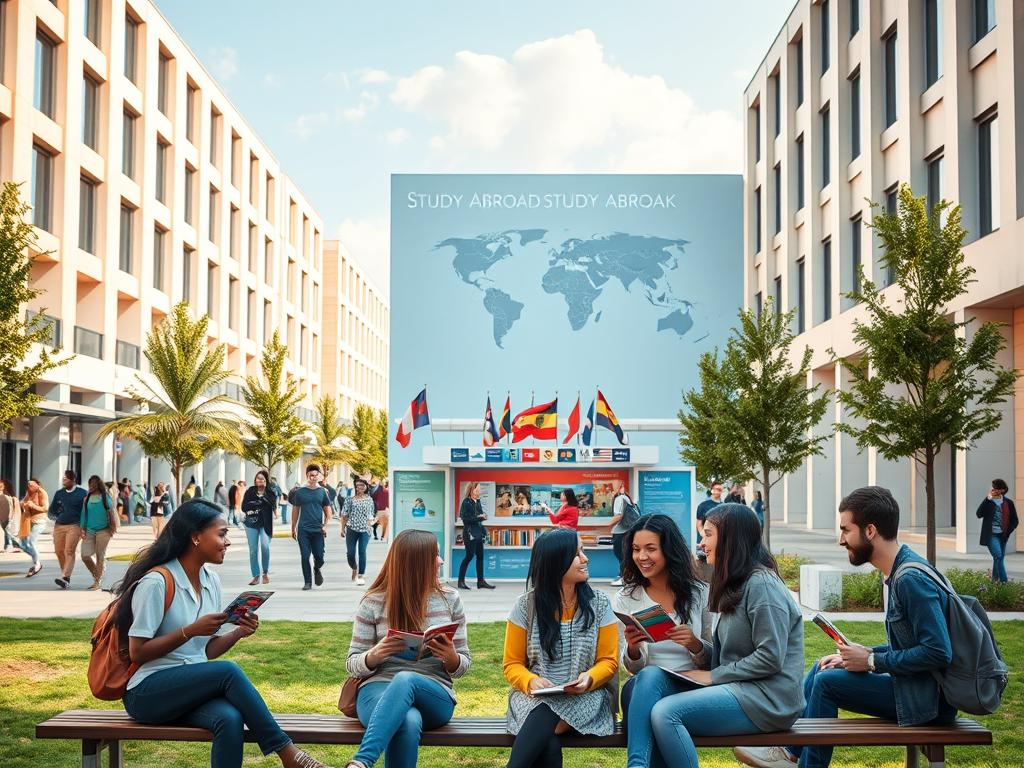
Study Abroad and Exchange Program Resources
For students looking to expand their academic horizons, study abroad and exchange programs provide a unique chance to immerse themselves in different cultures. These programs not only enhance academic knowledge but also foster personal growth and global understanding.
Scholarship Programs for International Study
Several scholarship programs are available to support students in their international study endeavors. The Fulbright Program is one of the most prestigious, offering financial assistance to students pursuing study abroad. Other notable programs include the Benjamin A. Gilman International Scholarship Program and the DAAD Scholarships for undergraduate and graduate students. These scholarships can significantly offset the costs associated with studying abroad.
Exchange Program Directories
Exchange program directories are invaluable resources for students seeking to find the right program. The Council on International Educational Exchange (CIEE) is a prominent organization that offers a wide range of study abroad and exchange programs. Students can also explore directories like the Study Abroad Association to discover various opportunities tailored to their academic interests.
Cultural Preparation Resources
Cultural preparation is crucial for a successful study abroad experience. Resources such as cultural orientation programs and language courses help students prepare for their international experience. These resources enable students to understand local customs, practices, and ways of life, ensuring a smoother transition.
International Student Support Services
Once abroad, students can rely on international student support services for assistance. These services include visa assistance, cultural adaptation programs, and academic support. Such services ensure that students can focus on their studies and fully integrate into their new environment.
Academic Support and Tutoring Services
Academic support services play a significant role in helping students achieve their academic goals. These services are designed to provide students with the additional help they need to succeed in their studies.
Free Tutoring Resources
Many institutions offer free tutoring resources to students, including online tutoring platforms and campus tutoring centers. These resources provide individualized help, allowing students to better understand complex concepts and improve their academic performance. Some popular online tutoring platforms include Chegg, TutorMe, and Varsity Tutors.
- Chegg: Offers tutoring in a variety of subjects, including math, science, and English.
- TutorMe: Provides tutoring in over 40 subjects, with a focus on math and science.
- Varsity Tutors: Offers personalized tutoring in a range of subjects, from elementary school to college level.
Writing Centers and Math Labs
Writing centers and math labs are specialized resources that provide targeted support to students. Writing centers help students improve their writing skills, while math labs offer assistance with mathematical concepts. These resources are often staffed by experienced tutors who can provide one-on-one support.
Peer Study Groups and Resources
Peer study groups are another valuable resource for students, fostering collaborative learning and providing a supportive community. Many institutions also offer study group facilitators and online forums to help students connect with one another.
Academic Coaching Services
Academic coaching services help students set goals, develop study plans, and improve their overall academic performance. These services often include academic advising and mentoring programs, providing students with the guidance they need to succeed.
Student Discounts and Savings Programs
From retail discounts to entertainment savings, there are numerous ways students can save money. As a student, being able to reduce expenses can make a significant difference in managing your budget.
Retail and Service Discounts
Many retailers offer exclusive discounts to students. For instance, Apple provides a student discount on MacBooks and Amazon offers a Prime Student membership that includes various benefits like free shipping and streaming services. Students can also enjoy discounts at popular clothing stores and restaurants with a valid student ID.
Entertainment and Travel Savings
Students can save on entertainment and travel too. Services like UNiDAYS and StudentBeans offer discounts on movie tickets, travel packages, and other leisure activities. Many cinemas, theme parks, and travel companies provide special student rates, making it more affordable to enjoy your favorite activities.
Software and Digital Subscription Discounts
Students can access popular software and digital subscriptions at discounted rates. For example, Microsoft offers discounted rates on Office 365, and Adobe provides student pricing on Creative Cloud. Streaming services like Spotify and Apple Music also offer student discounts.
Student Discount Apps and Websites
To make the most of these savings, students can use dedicated apps and websites. UNiDAYS, StudentBeans, and StudentDiscounts.com aggregate various discounts and offers in one place, making it easy to find and redeem savings.
Networking and Student Organization Resources
Networking and joining student organizations can significantly enhance a student’s academic and professional experience. These opportunities provide a platform for students to connect with peers and professionals, build meaningful relationships, and develop valuable skills.
Professional Organizations for Students
Professional organizations, such as the National Society of Black Engineers and the American Marketing Association, offer students the chance to network with professionals in their desired field. These organizations often host events, conferences, and workshops that provide valuable insights and opportunities for growth. Students can benefit from attending these events to learn about industry trends and best practices.
Campus Clubs and Activities Directories
Campus clubs and activities directories help students discover groups that align with their interests. Many colleges host student organization fairs, allowing students to explore various clubs and connect with like-minded individuals. Some popular campus clubs include cultural organizations, recreational sports teams, and academic societies.
Virtual Networking Platforms
Virtual networking platforms, such as LinkedIn groups, enable students to connect with professionals and peers beyond their campus. These platforms provide a space for sharing ideas, asking questions, and learning from others in their field.
Leadership Development Opportunities
Leadership development opportunities, including workshops and conferences, help students build essential leadership skills. These programs often focus on topics such as communication, teamwork, and problem-solving, preparing students for future leadership roles.

By engaging with student organizations and utilizing networking resources, students can enhance their academic experience and set themselves up for success in their future careers.
Time Management and Study Skills Resources
Effective study habits and time management techniques are essential tools for students navigating their academic journey. By employing the right strategies, students can enhance their productivity, improve their understanding of course materials, and achieve better academic outcomes.
Productivity Methods for Students
Several productivity methods can help students manage their time more effectively. The Pomodoro Technique, for instance, involves working in focused 25-minute increments, followed by a 5-minute break. This technique can help students stay focused and avoid burnout. Other methods include using productivity apps like Trello or Asana to organize tasks and deadlines.
Study Technique Guides and Tools
Various study techniques and tools can aid students in their learning. Flashcard apps like Anki can help with memorization, while concept mapping can assist in understanding complex relationships between ideas. Students can also benefit from active recall techniques, which involve actively recalling information rather than simply re-reading it.
Exam Preparation Strategies
Preparing for exams can be made more manageable with the right strategies. Creating a study schedule and sticking to it can help ensure that all material is covered. Additionally, participating in study groups can provide opportunities for collaborative learning and mutual support.
Focus and Concentration Resources
Maintaining focus and concentration is crucial for effective studying. Resources like mindfulness apps can help students develop greater mental clarity and reduce distractions. Techniques such as meditation and deep breathing exercises can also improve concentration.
| Resource | Description | Benefit |
|---|---|---|
| Pomodoro Technique | A time management method involving focused work intervals | Improved focus and reduced burnout |
| Flashcard Apps | Tools for creating digital flashcards for memorization | Enhanced retention of information |
| Mindfulness Apps | Resources for practicing mindfulness and meditation | Better concentration and mental clarity |
Resources for Students with Disabilities
Students with disabilities can access a range of resources to support their academic success. These resources are designed to provide equal access to education and facilitate a supportive learning environment.
Accessibility Services on Campus
Many educational institutions offer accessibility services to support students with disabilities. These services may include accommodations such as note-taking assistance, extended exam times, and the use of assistive technology. Campus disability support offices work closely with students to create personalized plans that cater to their specific needs, ensuring they have an equal opportunity to succeed academically.
Assistive Technology Resources
Assistive technology plays a crucial role in facilitating learning for students with disabilities. Resources may include text-to-speech software, speech-to-text software, and other tools that help students with various disabilities. Institutions often provide access to these technologies, either through their libraries or disability support services, to ensure that students can fully engage with their coursework.
Advocacy and Support Groups
Advocacy and support groups are vital for students with disabilities, offering a sense of community and support. These groups, often found on campus or through online platforms, provide a space for students to share their experiences and challenges. They also play a crucial role in promoting awareness and inclusivity within the educational community.
Scholarship Opportunities for Students with Disabilities
There are various scholarship opportunities available for students with disabilities, designed to provide financial assistance and support their academic pursuits. Organizations and institutions offer these scholarships to help alleviate the financial burden associated with higher education, making it more accessible to students who might otherwise face barriers.
- Disability Scholarship Program
- Accessibility Grants
- Scholarships for Students with Specific Disabilities
By leveraging these resources, students with disabilities can navigate their academic journey more effectively, achieving their full potential in a supportive and inclusive environment.
Resources for First-Generation and Nontraditional Students
The academic path for first-generation and nontraditional students is filled with unique obstacles that require specialized support. These students often bring diverse experiences and perspectives to the academic environment, but they also face distinct challenges that can impact their success.

Support Programs and Communities
Support programs and communities play a vital role in helping first-generation and nontraditional students navigate their academic journey. Many institutions offer dedicated programs that provide a sense of belonging and connection among students who share similar experiences and challenges. These programs often include orientation sessions, peer mentoring, and ongoing support groups that help students stay on track and achieve their academic goals.
Financial and Academic Guidance
Financial and academic guidance are crucial for the success of first-generation and nontraditional students. Institutions offer various resources, including financial aid counseling, to help students understand their options and make informed decisions about their financial aid. Additionally, academic advising services are available to guide students in choosing the right courses and creating a plan to achieve their academic objectives.
Mentorship Opportunities
Mentorship opportunities provide first-generation and nontraditional students with the guidance and support they need to succeed. Many institutions offer mentorship programs that pair students with experienced mentors who can offer valuable insights and advice. These programs help students build professional networks and gain the confidence they need to achieve their goals.
Success Stories and Inspiration
Success stories and inspiration can be powerful motivators for first-generation and nontraditional students. Many institutions share the stories of students who have overcome challenges to achieve success, providing inspiration and motivation for others. These stories highlight the resilience and determination of students who have navigated the academic landscape and achieved their goals, serving as a reminder that success is within reach.
Conclusion: Making the Most of Available Student Resources
Students have access to a vast array of resources that can enhance their academic, personal, and professional lives. By leveraging these resources, students can achieve academic success and develop valuable skills.
From online learning platforms and digital libraries to financial aid and career development resources, students can tap into a wealth of opportunities. Exploring the resources outlined in this guide can help students make the most of their academic journey.
By utilizing student resources effectively, students can build a strong foundation for their future careers. We encourage students to take advantage of the opportunities available to them and make the most of their academic experience, ultimately achieving academic success.
FAQ
What are the best online learning platforms for students?
Popular online learning platforms for students include Coursera, edX, and Udemy, offering a wide range of courses and degree programs.
How can I access digital libraries and research databases?
Many universities and colleges provide access to digital libraries and research databases through their libraries’ websites, often requiring a student login.
What financial aid options are available for graduate students?
Graduate students can explore federal student aid programs, private scholarships, and university-specific funding opportunities, such as teaching assistantships and research assistantships.
What are some productivity apps and software recommended for students?
Todoist, Evernote, and RescueTime are popular productivity apps and software that help students stay organized and manage their time effectively.
How can I find affordable housing as a student?
Students can explore on-campus housing options, off-campus housing resources like Zillow and Craigslist, and roommate finding services like Roomster and Roommates.com.
What resources are available for students with disabilities?
Students with disabilities can access accessibility services on campus, assistive technology resources, advocacy and support groups, and scholarship opportunities specifically for students with disabilities.
How can I manage my time effectively as a student?
Students can utilize productivity methods like the Pomodoro Technique, study technique guides and tools, and focus and concentration resources like mindfulness apps to improve their time management skills.
What are some student discount apps and websites?
UNiDAYS and StudentBeans are popular student discount apps and websites that aggregate discounts and offers for students.
How can I find internship opportunities as a student?
Students can explore internship directories like Internships.com, job search platforms like LinkedIn and Indeed, and networking opportunities like career fairs and industry events.
What resources are available for first-generation and nontraditional students?
First-generation and nontraditional students can access support programs and communities, financial and academic guidance, mentorship opportunities, and success stories and inspiration to help them succeed.

Regina Teles
Regina Teles is an Affiliate Marketer and Social Worker, founder of TipsInWeb.com, where she shares practical digital tools and affiliate marketing strategies to help people grow online.