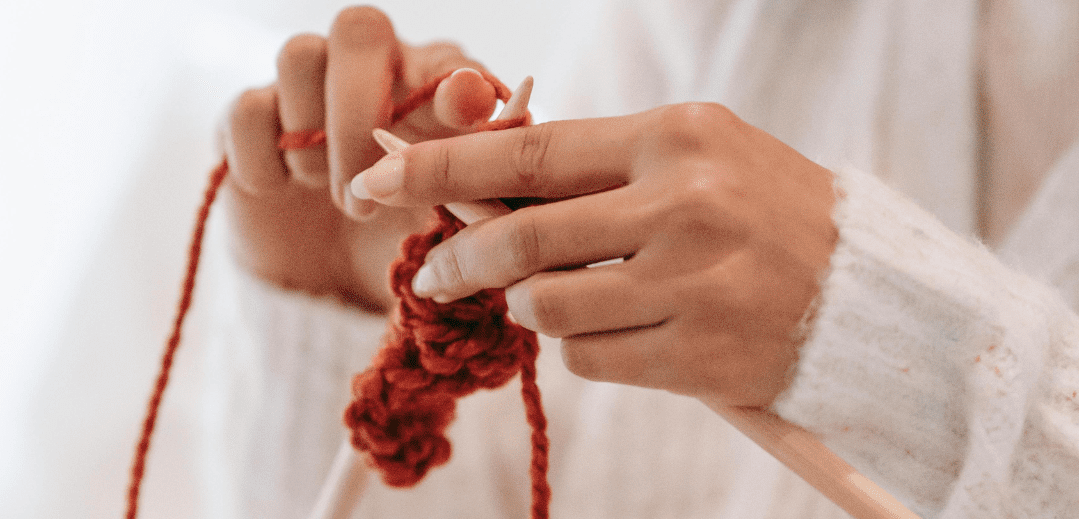
Understanding how to cast on and knit properly ensures your projects start correctly and your stitches develop with consistent, professional-quality tension.
Learning how to cast on and knit opens the door to a rewarding craft that has captivated generations. These fundamental skills form the foundation of every knitting project, from simple scarves to intricate sweaters. Understanding how to cast on and knit properly ensures your projects start correctly and your stitches develop with consistent, professional-quality tension.
Getting Started with Essential Supplies
Before diving into how to cast on and knit, you need the right tools. Choose medium-weight yarn (worsted weight) in a light color so you can see your stitches clearly. Select size US 8 (5mm) needles, which are comfortable for beginners and work well with worsted yarn. Bamboo or wooden needles provide better grip than metal, preventing stitches from sliding off accidentally while you master the basics.
Choosing Your First Yarn
Wool or acrylic blends work beautifully for learning how to cast on and knit. Avoid slippery fibers like silk or bamboo, dark colors that hide stitch definition, and novelty yarns with unusual textures. A smooth, plied yarn in cream or light gray helps you see every stitch clearly as you practice.
Mastering the Cast On
The Long Tail Cast On Method
The long tail cast on is the most versatile technique when learning how to cast on and knit. It creates a neat, elastic edge that works for virtually any project. Start by leaving a tail approximately three times the width of your intended project—this tail will form half of your cast on stitches.
Step-by-Step Long Tail Instructions
Make a slip knot and place it on your needle—this counts as your first stitch. Hold the needle in your right hand with the tail end over your thumb and the working yarn over your index finger. Insert the needle up through the loop on your thumb, catch the yarn from your index finger, and pull it back through the thumb loop. Release your thumb and gently tighten the new stitch. Repeat until you have the desired number of stitches.
Alternative Cast On Methods
While mastering how to cast on and knit, you might explore the knitted cast on or cable cast on. The knitted cast on is simpler for absolute beginners—you essentially knit each new stitch onto the needle. The cable cast on creates a firmer, more structured edge ideal for button bands and edges that need stability.
When to Use Each Method
Choose long tail for most projects, knitted cast on when you’re just beginning your journey with how to cast on and knit, and cable cast on for garment edges requiring extra structure.
Learning the Knit Stitch
The English Method
The English knitting method, also called throwing, is popular in the United States when teaching how to cast on and knit. Hold the needle with cast on stitches in your left hand and the empty needle in your right hand. The working yarn stays in your right hand, and you wrap it around the needle to create each new stitch.
Creating Your First Knit Stitch
Insert the right needle into the first stitch on the left needle from left to right, going through the front of the loop. Wrap the working yarn around the right needle counterclockwise. Pull the right needle back through the original stitch, bringing the new loop with it. Slide the old stitch off the left needle. You’ve completed one knit stitch!
Common First-Time Mistakes
Beginners learning how to cast on and knit often pull stitches too tight, insert the needle through the wrong part of the stitch, or forget to slide the old stitch off. Practice with awareness of these common errors and your muscle memory will develop quickly.
The Continental Method
Continental knitting, or picking, holds the yarn in your left hand. Many knitters find this method faster once mastered. When exploring how to cast on and knit using Continental style, you’ll insert the needle the same way but pick the yarn with the needle tip rather than wrapping it.
Building Your First Rows
Maintaining Even Tension
Consistent tension separates beautiful knitting from amateur work. As you practice how to cast on and knit, focus on keeping steady pressure on the yarn. Too tight creates stiff, difficult-to-work fabric; too loose produces floppy, uneven knitting. Your tension will naturally improve with practice, so be patient with yourself.
Recognizing Good Tension
Proper tension allows stitches to slide easily along the needle while maintaining their shape. Your fabric should have uniform stitch size and drape nicely without being stiff or saggy.
Creating Garter Stitch Fabric
When you knit every row, you create garter stitch—the perfect first pattern for learning how to cast on and knit. This reversible fabric features horizontal ridges and lies flat without curling, making it ideal for scarves, dishcloths, and blankets. The texture is forgiving and hides small imperfections beautifully.
Troubleshooting Common Issues
Every knitter encounters challenges when discovering how to cast on and knit. Dropped stitches, accidentally increased or decreased stitch counts, and twisted stitches are normal learning experiences. Keep a crochet hook handy for picking up dropped stitches. Count your stitches at the end of each row to catch errors early. If you notice a mistake several rows back, don’t hesitate to rip out your work and start again—this is how you truly learn.
Frequently Asked Questions
How long does it take to learn how to cast on and knit?
Most people can learn the basic mechanics of how to cast on and knit in a single afternoon. However, developing consistent tension and speed takes several weeks of regular practice. Plan to spend 15-30 minutes daily for the first month to build solid foundational skills.
Which cast on method is easiest for beginners?
The knitted cast on is simplest for absolute beginners because it uses the same motion as the knit stitch. However, the long tail cast on is worth learning early because it’s more versatile and creates a better edge for most projects.
Should I learn English or Continental knitting style?
When learning how to cast on and knit, start with whichever method feels more natural. English is slightly easier for most beginners, while Continental becomes faster once mastered. Many knitters eventually learn both and switch between them for different projects or techniques.
What size needles should a beginner use?
Size US 8 (5mm) needles with worsted weight yarn provide the ideal balance for beginners. This combination creates stitches large enough to see clearly but small enough to look finished. Avoid very large or very small needles when first learning.
How many stitches should I cast on for practice?
Cast on 20-25 stitches for your first practice swatch. This width is manageable without being too small to work with comfortably. It’s large enough to see patterns developing but small enough to complete rows quickly and maintain motivation.
Why do my edges look messy?
Loose or uneven edge stitches are common when learning how to cast on and knit. The first and last stitches of each row often receive different tension than middle stitches. Practice keeping consistent tension on these edge stitches, and they’ll improve with experience.
Can I knit left-handed?
Yes! Left-handed people can learn how to cast on and knit using mirror-image techniques. Some left-handed knitters find standard right-handed knitting comfortable, while others prefer reversing all instructions. Both approaches work equally well—choose what feels natural.
What should my first project be?A simple garter stitch scarf, dishcloth, or baby blanket makes an excellent first project after mastering the basics of how to cast on and knit. These projects use only the knit stitch, have rectangular shapes requiring no shaping, and create useful finished items that boost your confidence