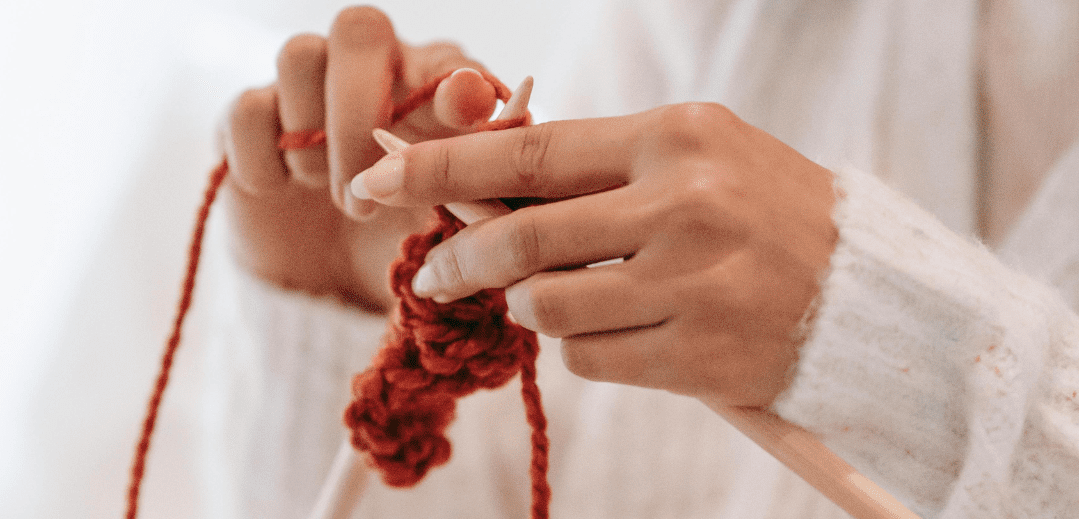
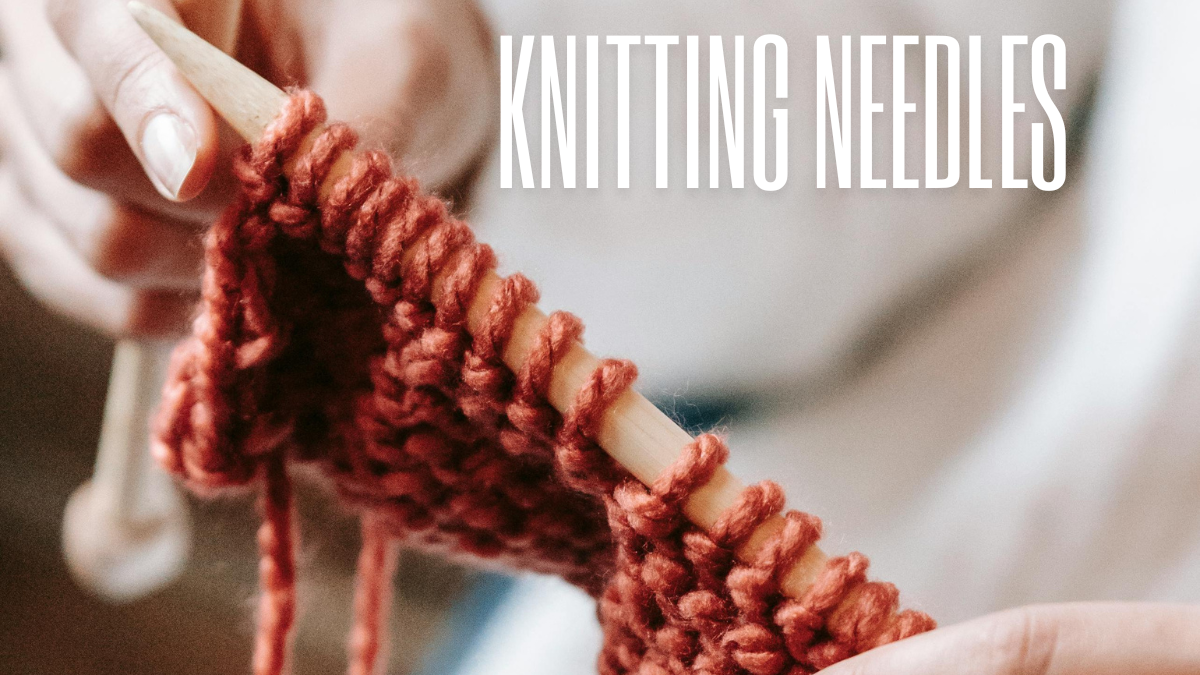
The best knitting needles for beginners can make all the difference between a frustrating first attempt and a truly rewarding hobby. If you have just picked up your first skein of yarn and are wondering where to start, choosing the right needles is the most important decision you will make. In this guide, you will find everything you need to confidently choose the perfect needles, understand the different types and materials, and start knitting projects you will love.
We tested dozens of options and consulted experienced knitters to bring you a comprehensive, honest, and beginner-friendly overview. Whether you prefer bamboo, metal, or plastic, there is a perfect needle out there for you.
Why Choosing the Right Knitting Needles Matters
Beginner knitters often overlook how much the needle itself affects the learning experience. Needles that are too slippery cause stitches to fall off the ends, while needles that grip too tightly make it hard to slide stitches forward. The right needle feels almost invisible in your hands it simply lets you focus on learning the craft.
Beyond comfort, the correct needle size is critical. Every yarn label specifies a recommended needle size. Using the wrong size changes your gauge how many stitches fit in an inch which affects the final dimensions of your project. As a beginner, working with the recommended size helps your practice pieces turn out as expected and builds good habits for future projects.
Before picking up your needles, it is also worth learning how to cast on correctly. Read our step-by-step tutorial: Knitting Cast On — Long Tail Complete Guide.
Types of Knitting Needles Every Beginner Should Know
Before shopping for the best knitting needles for beginners, it helps to understand the three main needle types available. Each serves different projects and skill levels.
Straight Needles
Straight needles are the classic image most people have when they think of knitting two long sticks with a point at one end and a stopper at the other. They are ideal for flat, back-and-forth projects like scarves, dishcloths, and small blankets. Most beginner kits include a pair of straight needles because they are intuitive and easy to manage from day one.
Circular Needles
Circular needles feature two short needle tips connected by a flexible cable. They are extremely versatile you can use them for flat knitting or for knitting in the round to create seamless hats, cowls, and sleeves. Many instructors recommend circular needles as the best knitting needles for beginners because the cable supports the weight of the work, reducing strain on your wrists during long sessions.
Double-Pointed Needles (DPNs)
Double-pointed needles come in sets of four or five short needles with points at both ends. They are traditionally used for small tubular projects like socks and mittens. DPNs feel tricky at first, so most beginners wait until they are comfortable with straight or circular needles before trying them.
Best Needle Materials for Beginners
The material of your needles matters more than most beginners realize. Here are the most common materials and what makes each one suitable or not for those just starting out.
- Bamboo: Warm, lightweight, and slightly grippy. Bamboo needles are widely regarded as the best knitting needles for beginners because stitches do not slide off accidentally. The natural texture gives new knitters excellent control, and the warmth of the material feels comfortable during long sessions.
- Wood: Similar to bamboo, wooden needles offer a natural, warm feel and gentle grip. They are beautiful to use and popular among crafters who appreciate eco-friendly tools.
- Metal (Aluminum): Metal needles are slick, fast, and very durable. They work best with smooth, tightly spun yarns. Some beginners find them too slippery at first, but they are excellent once you develop muscle memory and want to knit faster.
- Plastic/Acrylic: Plastic needles are lightweight and budget-friendly, making them a great entry point. They flex slightly on larger sizes, which some beginners find helpful for tension control.
Top 5 Best Knitting Needles for Beginners in 2025
After testing dozens of options and gathering feedback from beginner and intermediate knitters, here are our top recommendations for the best knitting needles for beginners this year.
1. Clover Takumi Bamboo Straight Needles
The Clover Takumi line is a perennial favorite among beginners and experienced knitters alike. Made from premium Japanese bamboo, these needles are smooth at the tips while maintaining just enough grip along the shaft. The light weight reduces hand fatigue, and the tapered tips make it easy to insert the needle into each stitch precisely. These are widely available, affordable, and consistently rated as the best knitting needles for beginners by knitting communities around the world.
Check the latest pricing and reviews for Clover Takumi needles at Amazon.
2. ChiaoGoo Bamboo Circular Needles
ChiaoGoo is a trusted brand in the knitting world, and their bamboo circular needles are outstanding for beginners who want to learn both flat and round knitting from the start. The flexible nylon cable does not curl or kink, which makes handling much easier. The join between needle and cable is smooth, preventing yarn from catching as you work. These needles come in a wide range of sizes and cord lengths to suit many different project types.
Learn more about ChiaoGoo products on their official website.
3. Susan Bates Silvalume Aluminum Straight Needles
For beginners who want to try metal needles, the Susan Bates Silvalume set is an excellent choice. Made from lightweight aluminum, these needles have a smooth finish that works beautifully with acrylic and wool yarns. They are very durable and affordable, making them a practical option for those who want to build a complete starter set without overspending.
4. Knitter’s Pride Dreamz Interchangeable Set
If you want to invest in a set that will grow with your skills, the Knitter’s Pride Dreamz Interchangeable Set is a fantastic option. It includes multiple needle tip sizes and cable lengths that can be combined in different ways, effectively giving you dozens of circular needle configurations in one kit. The colorful acrylic tips are smooth, lightweight, and pleasant to work with. While the initial investment is higher, this set eliminates the need to buy individual needles for years to come.
5. Boye Aluminum Knitting Needles Set
The Boye aluminum set is one of the most affordable complete beginner packages available. It includes a range of straight needle sizes in a convenient storage case, making it easy to try different sizes as you experiment with different yarns and projects. The needles are sturdy, well-finished, and widely available at craft stores and online retailers. For beginners on a budget, this set delivers excellent value.
How to Choose the Right Needle Size as a Beginner
Needle size is measured in millimeters (mm) and corresponds to the diameter of the shaft. A larger number means a thicker needle, which creates looser, larger stitches. A smaller number means a finer needle for tighter, smaller stitches. For most beginners, starting with a size US 8 (5mm) needle and a medium-weight (worsted) yarn is ideal. This combination is easy to see, easy to handle, and produces satisfying results quickly.
Always check the yarn label before buying needles. The recommended needle size is usually printed on the label alongside a gauge swatch suggestion. Matching your needle to the recommended size ensures your finished project will be the right size and have the intended texture.
Best Starter Projects to Practice with Your New Needles
Once you have the best knitting needles for beginners in hand, the next step is choosing your first project. The goal at this stage is to practice the basic knit and purl stitches, get comfortable holding your needles, and build confidence before attempting more complex patterns.
Not sure which stitches to learn first? Our guide How to Knit for Beginners: Learn the 3 Essential Stitches Today walks you through everything step by step before you pick up your first project.
- Garter stitch scarf: The simplest possible project. Cast on 20 stitches and knit every row until the scarf is as long as you want. This project teaches casting on, the knit stitch, and binding off — the three fundamental skills every knitter needs.
- Dishcloth: A small square that teaches you to count stitches and maintain even tension. Dishcloths are practical, fast to finish, and forgiving of beginner mistakes.
- Stockinette swatch: Alternate knit rows and purl rows to create the classic smooth fabric. This teaches the purl stitch and gives you practice switching between the two fundamental stitches.
- Simple hat on circular needles: Once you feel confident with flat knitting, a basic ribbed hat on circular needles introduces you to knitting in the round an exciting step that opens up a whole new world of patterns.
Practical Tips for Beginner Knitters
Even with the best knitting needles for beginners in your hands, a few practical habits will speed up your learning significantly. Here are the most useful tips from experienced knitters:
- Start with medium-weight yarn: Bulky yarn is tempting because it knits up fast, but it can be harder to control for beginners. Medium-weight (worsted) yarn on a size US 7–9 needle gives you the best visibility and control.
- Choose light-colored yarn: Dark yarn makes it very difficult to see individual stitches, which is frustrating when you are still learning. Light or medium colors make it easy to spot mistakes early.
- Keep consistent tension: Try to keep your yarn at the same tension throughout your work. Tension that is too tight will make stitches difficult to slide, while too loose will create uneven fabric. Practice slowly until it becomes natural.
- Count your stitches regularly: Beginners often accidentally add or drop stitches without noticing. Make a habit of counting your stitches at the end of every row, especially early on.
- Learn to fix mistakes early: Every beginner makes mistakes — and that is completely normal. Knowing how to identify and correct them quickly will save a lot of frustration.
Our article Common Knitting Mistakes Beginners Make and How to Fix Them covers the most frequent errors and shows you exactly how to correct each one without unraveling your entire project.
Frequently Asked Questions About Knitting Needles for Beginners
What size knitting needles should a beginner use?
Most knitting instructors recommend that beginners start with US size 8 (5mm) needles paired with medium-weight worsted yarn. This combination makes it easy to see each stitch clearly, maintain even tension, and learn the basic movements without frustration.
Are bamboo or metal needles better for beginners?
Bamboo needles are generally better for beginners because their slight texture prevents stitches from sliding off accidentally. Metal needles are faster once you are experienced, but their slick surface can feel unforgiving when you are still learning to control tension and stitch placement.
Should beginners use straight or circular needles?
Both work well for beginners. Straight needles are more traditional and feel intuitive for simple flat projects. Circular needles are more versatile and reduce wrist strain on larger projects. Many beginners start with straight needles and switch to circular needles once they feel comfortable with the basics.
How many knitting needles does a beginner need?
For most beginners, starting with just one or two pairs of straight needles (sizes US 7 and US 9) and one set of circular needles in the same sizes is plenty. You do not need a full set to get started buy more sizes as your projects require them.
Conclusion: Find Your Perfect Starter Needles and Begin Knitting Today
Finding the best knitting needles for beginners does not have to be complicated. Start with a good bamboo or wooden straight needle in size US 8, pair it with a skein of medium-weight acrylic or wool yarn in a light color, and cast on your first few stitches. Most importantly, do not worry about perfection every experienced knitter started with uneven tension and dropped stitches, and every one of them is glad they kept going.
The needles on this list represent the best options available across a range of budgets and preferences. Whether you choose the beginner-friendly grip of Clover Takumi bamboo needles, the versatility of ChiaoGoo circular needles, or the budget-friendly value of the Boye aluminum set, you will be well equipped to start this wonderfully creative and relaxing craft.
Happy knitting and remember, the best knitting needles for beginners are simply the ones that get you excited to pick up your yarn and start creating something beautiful today.
Comments are closed.